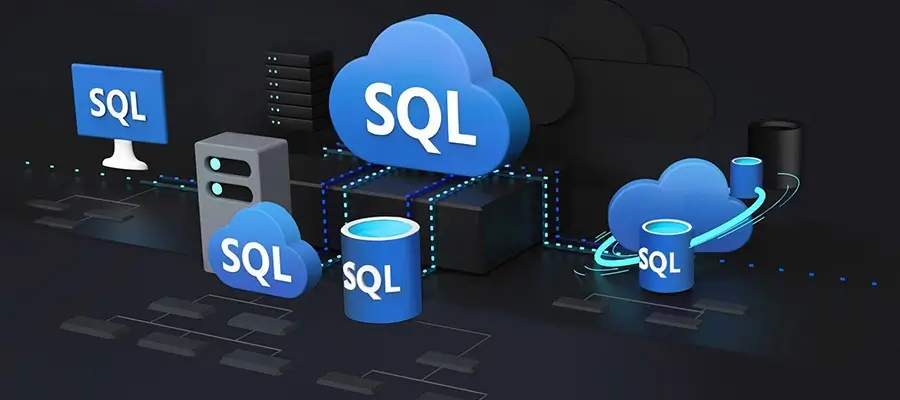
SQL Training & Certification is one of the most must have skills in the job market.
In today’s data-driven world, organizations rely on databases to store and manage critical business information. Whether you want to become a
data analyst, software developer, or database administrator, learning
SQL (Structured Query Language) is the first step toward building a rewarding career.
Learn SQL Programming with Expert Trainers at Palium Skills
At
Palium Skills, we offer a comprehensive
SQL Training & Certification program designed to meet the needs of both beginners and professionals. With flexible
classroom training in Kolkata and
live online sessions across India, our courses are delivered by
expert faculty members with decades of real-world experience.
Why Learn SQL Programming?
- Universal Demand: SQL is used by Oracle, MySQL, SQL Server, PostgreSQL, and many other database systems.
- Career Growth: Roles such as Data Analyst, SQL Developer, Business Intelligence Specialist, and Database Administrator require SQL proficiency.
- Easy to Learn: SQL is beginner-friendly yet powerful enough for complex data management.
- Job Security: SQL consistently ranks among the top 10 most in-demand IT skills worldwide.
- Oracle SQL is from Oracle Corporation - Worlds top Database used in banks, top MNCs and Fortune 500 companies
The SQL programming training is designed to help the participant to understand the basics of application development in a RDBMS environment and to successfully work in this domain.
There are multiple courses available to fit the requirement of students and working Professionals.
1. SQL for Oracle RDBMS.
2. SQL for SQL Server Environment
3.
MS SQL Programming for those working on Microsoft SQL Server
4. SQL as part of
Data Analytics
5. MySQL - the open source SQL programming language
👉 Whether you are a student preparing for your first job or a professional upgrading your skills, SQL is a must-have for your career.
Why Choose Palium Skills for SQL Training?
At Palium Skills, we don’t just teach theory—we focus on
practical, job-oriented learning.
1. Expert Trainers
Learn directly from
industry professionals with hands-on experience in SQL development, PL/SQL programming, and database management.
2. Flexible Learning Modes
- Classroom SQL Training in Kolkata – ideal for students who prefer face-to-face learning.
- Live Online SQL Training – perfect for working professionals who want the convenience of learning from home.
3. Hands-On Approach
Our courses include
projects, assignments, and real-world case studies so you build the confidence to apply SQL in workplace scenarios.
4. Tailored for All Levels
From
SQL basics for beginners to
advanced SQL and PL/SQL concepts for professionals, our training is suitable for everyone.
5. Certification Support
Get guidance to prepare for
recognized SQL certifications, boosting your career opportunities in India and abroad.
SQL Course Options at Palium Skills
We offer multiple SQL training paths so you can choose the one that fits your goals:
- SQL Fundamentals Training
- Learn database concepts, DDL/DML commands, joins, subqueries, and basic reporting.
- Ideal for beginners and non-IT professionals.
- SQL Developer Training with PL/SQL
- Covers advanced query optimization, stored procedures, functions, triggers, and PL/SQL programming.
- Perfect for aspiring developers and database administrators.
- Fast-Track SQL Training
- Designed for working professionals who need to quickly upskill in SQL for job projects.
Each program includes
practical exercises, case studies, and guidance for certification exams.
Who Should Enroll?
- Students & Fresh Graduates looking to start a career in IT, data analytics, or software development.
- Working Professionals in non-IT roles who want to move into data-driven jobs.
- Managers & Decision-Makers who want to understand data and make smarter business decisions.
- Freelancers & Entrepreneurs interested in learning how to analyze and manage their own business data.
Career Benefits of SQL Certification
- Open doors to high-paying roles such as SQL Developer, Data Analyst, and BI Specialist.
- Gain a globally recognized certification that strengthens your resume.
- Build a future-proof skillset as data continues to drive industries worldwide.
Training Locations
- Kolkata (Classroom Training) – convenient schedules on weekdays and weekends.
- Pan-India (Live Online Training) – attend interactive sessions from anywhere in India with doubt-clearing and mentoring support
- Corporate Training - at client designated locations
Student Reviews
“The SQL training at Palium Skills helped me land my first Data Analyst role. The trainers are supportive and explain concepts with real industry examples.” – Rohit, Kolkata
“I joined the online SQL course while working full-time. The live classes were interactive and flexible. Highly recommended for professionals.” – Priya, Bangalore
Read More Reviews
Frequently Asked Questions (FAQ)
Q1. Do I need prior programming knowledge to learn SQL?
No. SQL is beginner-friendly and easy to learn even without programming experience.
Q2. How are online SQL classes conducted?
Our live online training includes interactive sessions, screen sharing, real-time query solving, and access to recordings.
Q3. Will I get a certificate after completing the SQL course?
Yes. Palium Skills provides a course completion certificate. We also guide you for external SQL certification exams.
Q4. Can I switch between classroom and online modes?
Yes, based on availability, you can shift between formats for maximum flexibility.
Enroll Today
Take the first step toward building a
future-ready career in data and IT. With
Palium Skills’ SQL Training & Certification program, you’ll gain practical skills, industry insights, and the confidence to excel in real projects.
👉
Call us at +91-8420594969 / 7044871915 or contact us through PaliumSkills.com/Contact-Us to enroll today.
What skills will the student gain?
After the completion of this course, the student will be able to:
- Understand the basics of RDBMS
- Learn about commands in a database environment
- Learn about the different types of commands in RDBMS
- Learn about joining of database tables
- Learn how to create different objects
- Learn the details of steps to create a solution design
Mode of Training
- The classes are delivered during Weekday or Weekend in classroom or online modes
Locations:
- The training is offered in locations like Bhubaneswar, Bangalore, Bhopal, Chennai, Delhi, Indore, Kolkata, Mumbai and NCR.
Our past students have reviewed us highly and voted us as the best institute for SQL Training in Kolkata. They have also ranked us as one of the top institutes in India for SQL Programming training. So whether it is Finance, SCM, HCM or Technical - our faculty members have received great appreciation from participants. Our faculty members work with top tier IT companies like Cognizant, IBM, Infosys, Mindtree, TCS, Wipro and many others. They are passionate about teaching and sharing their knowledge with others and hence make it a point to ensure participants learn the application in the right way.