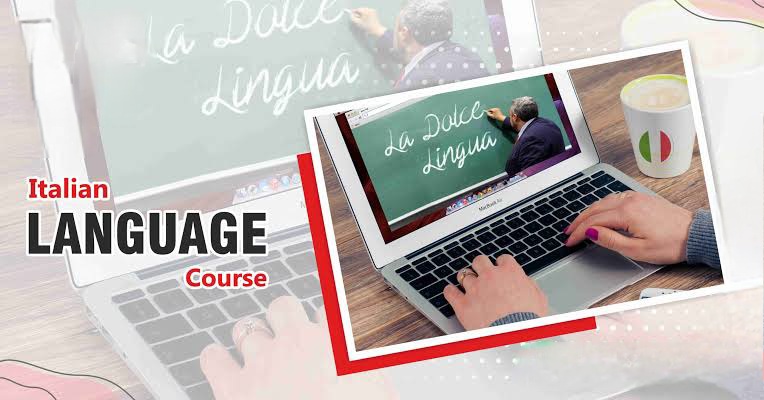
Our Italian language classes provide instruction in all four key language skills: speaking, listening, reading, and writing. Courses typically cover essential grammar and vocabulary, and may also include cultural insights and interactive activities to enhance learning. Beginner courses focus on foundational skills, while more advanced courses delve into complex grammar, idiomatic expressions, and cultural nuances.
Here's a more detailed breakdown of the Italian Language classes offered at Palium Skills institute -
- Foundational Skills: Courses at all levels aim to build proficiency in speaking, listening, reading, and writing. Beginner courses lay the groundwork with basic vocabulary, pronunciation, and grammar.
- Grammar and Vocabulary: A core component of any Italian course, grammar and vocabulary are introduced progressively, from basic sentence structure and common phrases to more complex grammatical concepts and a wider range of vocabulary.
- Cultural Context: Many courses incorporate cultural elements, such as insights into Italian customs, traditions, and daily life. This helps learners understand how language is used in authentic contexts.
- Interactive Learning: Effective language courses utilize various interactive activities, including role-playing, group discussions, and multimedia resources, to make learning engaging and to improve practical language skills.
- Levels of Instruction: Italian courses are typically structured into different levels, often following the Common European Framework of Reference for Languages (CEFR), ranging from A1 (beginner) to C2 (proficient).
- Learning Outcomes: At the end of a course, students should be able to communicate effectively in Italian in various situations, understand spoken and written Italian, and have a deeper appreciation for Italian culture.
- Course Formats: Italian language courses can be found in various formats, including in-person classes, online courses, and blended learning programs.
- Career Opportunities: Proficiency in Italian can open doors to careers in translation, interpretation, tourism, international business, and academia.
The course outline for different levels are as below -
Here’s a
detailed course outline for an A1 Level Italian Course (Beginners) based on CEFR guidelines. It covers practical communication skills, grammar, vocabulary, and cultural aspects.
📘 A1 Italian Course Outline (Beginner Level)
Duration
- 8–12 weeks (can be adjusted)
- 2–3 sessions per week (1.5–2 hrs each)
Module 1: Introduction to Italian
- Italian alphabet & pronunciation rules
- Greetings & farewells (Ciao, Buongiorno, Arrivederci)
- Introducing yourself and others (Mi chiamo…, Sono…, Questo è…)
- Numbers 0–100
- Days of the week, months, seasons
- Basic classroom expressions (Ripeti, Ascolta, Scrivi)
Module 2: Everyday Situations
- Asking & giving personal information (name, age, nationality, profession)
- Family vocabulary & talking about relatives
- Ordering food & drinks in a café/restaurant
- Shopping expressions (Quanto costa?, Vorrei…, Posso provare?)
- Asking for directions & understanding simple instructions
Module 3: Grammar Foundations
- Articles: definite & indefinite (il, la, un, una)
- Nouns: gender & singular/plural forms
- Subject pronouns (io, tu, lui/lei, noi, voi, loro)
- Verb essere (to be) & avere (to have)
- Present tense of regular -are, -ere, -ire verbs
- Basic irregular verbs: fare, andare, stare, venire
- Simple prepositions (a, in, di, con, per)
- Forming yes/no & wh- questions (Chi? Dove? Cosa? Quando?)
Module 4: Vocabulary Building
- Daily routines & common activities
- Food, drinks & restaurant vocabulary
- Clothes & colors
- Transportation & travel vocabulary
- Weather & time expressions
- Hobbies, interests & free-time activities
Module 5: Practical Communication Skills
- Describing yourself (appearance, personality, likes/dislikes)
- Talking about your daily routine & habits
- Telling the time & dates
- Asking and giving directions in town
- Booking a hotel room or table at a restaurant
- Using polite forms (Scusi, per favore, grazie, prego)
Module 6: Cultural Awareness
- Italian etiquette & gestures
- Overview of Italian regions & cities
- Italian food culture (coffee culture, pasta, pizza traditions)
- Festivals & celebrations (Natale, Pasqua, Ferragosto)
Module 7: Listening, Reading, Writing & Speaking
- Listening: short dialogues (at café, shop, station)
- Reading: short texts, menus, ads, timetables
- Writing: simple emails/messages (introducing yourself, inviting a friend)
- Speaking: role-plays (ordering, shopping, small talk)
Final Module: Review & Assessment
- Revision of key grammar & vocabulary
- Oral practice: introducing yourself, describing family, ordering food
- Short written exercise (daily routine, short description)
- Listening & reading comprehension exercises
- Certificate of Completion for A1 Level
Perfect! Since you asked for
A2 Level Italian Course Outline, I’ll design it as a
progression from A1 (still beginner level, but moving towards independent use of the language). This will include more vocabulary, extended grammar, and practical communication skills, aligned with CEFR A2 outcomes.
📘 A2 Italian Course Outline (Elementary Level)
Duration
- 10–14 weeks (adjustable)
- 2–3 sessions per week (1.5–2 hrs each)
Module 1: Review & Extension of A1
- Quick revision of A1 grammar (articles, essere, avere, regular verbs, simple irregulars)
- Expanding greetings and everyday expressions
- Expressing likes/dislikes in detail (Mi piace/Non mi piace…)
- Talking more about family, hobbies, and free time
Module 2: Grammar Development
- Present tense of more irregular verbs: uscire, dire, sapere, potere, volere, dovere
- Reflexive verbs (svegliarsi, vestirsi, divertirsi…)
- Past tense introduction: passato prossimo (with avere and essere)
- Use of direct & indirect object pronouns (lo, la, li, le, mi, ti, ci, vi, gli)
- Comparatives & superlatives (più… di, meno… di, il più bello…)
- Introduction to imperfetto (describing past habits, settings)
- Prepositions in detail (su, tra/fra, vicino a, lontano da…)
- Adverbs of frequency (sempre, spesso, mai…)
Module 3: Vocabulary Expansion
- Daily life: house, furniture, describing your home
- Travel: transportation, booking tickets, hotels, directions
- Food & cooking vocabulary (ordering, recipes, groceries)
- Work & professions
- Shopping for clothes and sizes, money expressions
- Health & body vocabulary (going to the doctor, pharmacy)
- Leisure: cinema, music, sports, cultural activities
- Holidays and celebrations
Module 4: Communication Skills
- Talking about past events (holidays, weekends, childhood)
- Describing your home, city, and neighborhood
- Expressing future intentions with stare per + infinitive and futuro semplice (basic use)
- Expressing opinions, preferences, agreements, and disagreements
- Making comparisons (between people, places, things)
- Inviting someone, accepting/refusing politely
- Telephone conversations & making appointments
- Describing symptoms at a doctor’s office
- Asking for help in everyday situations
Module 5: Reading, Listening, Writing & Speaking
- Reading: short stories, dialogues, tourist brochures, personal letters
- Listening: simple radio clips, announcements, short conversations
- Writing: personal emails, short narratives (e.g., past trip, daily routine)
- Speaking: role-plays (doctor visit, hotel booking, shopping, giving advice)
Module 6: Italian Culture & Society
- Italian traditions: Carnevale, Ferragosto, local festivals
- Regional foods & typical dishes
- Italian housing & lifestyle
- Public transport in Italy
- Introduction to Italian music, cinema, and sports
Final Module: Review & Assessment
- Consolidation of present, passato prossimo, imperfetto
- Role-plays simulating real-life situations (at the station, restaurant, doctor, shop)
- Writing task: describe a holiday, write a personal email
- Listening & reading comprehension
- Final oral presentation (about family, past trip, hobbies, or plans)
- Certificate of Completion for A2 Level
👉 By the end of this course, learners will be able to:
- Communicate in simple, routine tasks requiring direct information exchange.
- Describe their background, immediate environment, and simple experiences in past and present.
- Handle short social exchanges politely and effectively.
Got it ✅ You’d like a
detailed outline for an Italian Communication Class (focus on speaking, interaction, and practical use of language rather than only grammar). Below is a
progressive, skill-based course outline that works well for beginners/intermediate learners depending on depth.
📘 Italian Communication Skills Course Outline
Duration
- 10 weeks (customizable)
- 1 session per week (1.5–2 hrs each)
- Format: role-plays, pair work, group discussions, listening + speaking tasks
Module 1: Getting Started with Communication
- Goals: Build confidence in basic Italian conversation
- Greetings & introductions (Ciao, Piacere di conoscerti)
- Exchanging personal information (name, age, nationality, profession)
- Classroom communication (asking for repetition, clarification, help)
- Pronunciation drills & intonation practice
Module 2: Everyday Social Interaction
- Talking about family, friends, and relationships
- Asking/answering questions about hobbies & interests
- Expressing likes/dislikes (Mi piace/Non mi piace…)
- Making small talk (weather, work, studies)
- Polite expressions: requests, apologies, thanks
Activity Ideas:
- Role-play: Meeting someone for the first time
- Dialogue practice: Talking about your weekend plans
Module 3: Survival Communication
- At a café/restaurant: ordering food & drinks
- Shopping: asking for prices, sizes, trying on clothes
- Asking & giving directions in a city
- Booking hotels, tickets, and reservations
- Using transport: trains, buses, taxis
Activity Ideas:
- Role-play: ordering in an Italian restaurant
- Map activity: giving and following directions
Module 4: Talking About Daily Life
- Describing your routine & habits
- Talking about time & schedules
- Discussing home, neighborhood, and city
- Describing objects, places, and people
- Talking about past experiences (passato prossimo)
Activity Ideas:
- Pair activity: Compare daily routines
- Storytelling: Describe your last weekend
Module 5: Expanding Communication Skills
- Expressing opinions, preferences, and comparisons
- Making invitations, accepting/refusing politely
- Talking about future plans (andrò, visiterò, voglio fare…)
- Giving advice & suggestions (Dovresti…, Ti consiglio di…)
- Expressing feelings & emotions (Sono felice, sono stanco…)
Activity Ideas:
- Debate: “Meglio vivere in città o in campagna?”
- Role-play: planning a trip with a friend
Module 6: Communication in Real-Life Situations
- At the doctor/pharmacy: describing symptoms
- At the bank/post office: basic transactions
- Making phone calls & leaving messages
- Talking about travel & holidays
- Handling misunderstandings & asking for clarification
Activity Ideas:
- Role-play: Doctor & patient dialogue
- Group task: Plan a holiday itinerary together
Module 7: Cultural Communication
- Understanding Italian gestures & body language
- Formal vs informal communication (Lei vs tu)
- Idiomatic expressions & common phrases
- Cultural etiquette in conversations (politeness, greetings, eating habits)
Activity Ideas:
- Video analysis: watch an Italian dialogue & imitate
- Practice with Italian gestures in context
Final Module: Review & Assessment
- Practical speaking test (role-plays, Q&A, free conversation)
- Group discussion or short presentation on a familiar topic (family, city, trip, favorite food)
- Listening + response tasks (audio or video clips)
- Self-assessment & feedback
By the end of the course, students will be able to:
✅ Communicate confidently in everyday Italian situations
✅ Hold short conversations on familiar topics (family, work, hobbies, travel)
✅ Express opinions, feelings, and experiences
✅ Use correct intonation, politeness, and cultural gestures in interactions
| Course Name | Delivery Mode | Fee | Enroll & Pay |
|---|
| A1 Level | Offline or Online | ₹15,000 | Duration is 4 months |
| A2 Level | Offline or Online | ₹18,000 | Duration is 4 months |